
No products in the cart.
Uncategorized
A No-Nonsense Guide to Casino Security Measures


I’ve spent years picking apart the operational integrity of online gaming platforms, and the Dutch market is a particular combination of regulatory muscle and player expectation https://fscasino.com.nl/. When I examine a brand like FS Casino, I skip the welcome offers and game thumbnails and go straight to the structural security that guards a player’s wallet and data. The Netherlands enforces strict standards through the Kansspelautoriteit (KSA), so any legitimate operator here has to follow protocols far tighter than those in unregulated markets. This guide isn’t meant to deter you from playing online. It’s about giving you the analytical framework to distinguish a fortress from a house of cards. I’ll guide you through encryption standards, payment infrastructure, and the subtle operational cues that indicate genuine safety.
SSL Encryption and the Anatomy of a Secure Connection
Before I send a single euro, I check the browser’s address bar for the padlock icon, but I investigate into the certificate details. A trusted platform like FS Casino should use Transport Layer Security (TLS) 1.3, the most recent cryptographic protocol that eliminates outdated cipher suites vulnerable to downgrade attacks. This technology builds an encrypted tunnel between my device and the server, so my login credentials and banking details aren’t sent in plain text. I check for 256-bit encryption keys, the industry standard for financial institutions. A common mistake players commit is thinking the padlock alone ensures safety; I’ve seen phishing clones with valid SSL certificates. What matters is whether the certificate comes from a reliable Certificate Authority and whether the site enforces HTTPS strictly, without mixed content errors that could expose data.
The Truth of Know Your Customer (KYC) Verification
Many users see KYC as an annoying obstacle, but I view it as a protection filter that protects my identity from being misused. Legitimate providers in the Netherlands are legally obligated to verify my age and identification before allowing a withdrawal, following the Wet ter voorkoming van witwassen en financieren van terrorisme (Wwft). I prefer a smooth but thorough system: I submit a current passport or Dutch ID card, and the software uses automated document recognition to check security features and microprint within moments. A site that stretches this out or demands questionably invasive documents like utility bills without a proper justification is a red flag. The true advantage is that comprehensive KYC blocks a fraudster from opening a duplicate profile in my identity and taking the funds. I prefer it when a gambling site adds biometric liveness verifications to confirm the document holder is actually present during setup.
Payment Methods, Separation of Funds, and Operational Integrity
The way a casino processes payments internally exposes its genuine quality. I prefer platforms that maintain segregated client accounts, where player funds are kept fully isolated from the company’s operational capital. That way, if the operator goes bankrupt, my balance is safeguarded by law and not treated as a claimable asset for creditors. In the Dutch market, I look for iDEAL to be built right in, the leading local payment method that adds a layer of security by acting as a reliable intermediary with Dutch banks. When I examine the cashier section, I check for PCI DSS compliance badges, which show credit card data is handled under strict security standards. Processing speeds also reveal something about security; instant withdrawals often point to automated, audited systems, while prolonged manual reviews can hint at liquidity issues or weak anti-fraud checks.
RNGs and the Myth of Rigged Outcomes
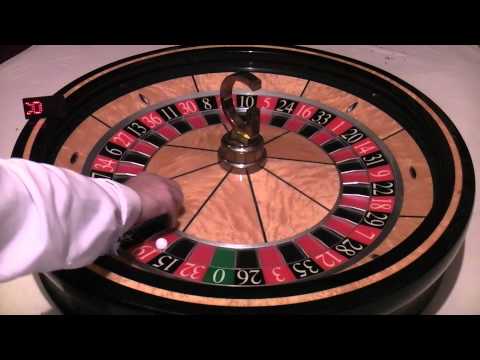
I frequently encounter players attribute losing streaks on manipulated software, but the technical reality of Random Number Generator (RNG) auditing is a lot more tangible. I look for certification from autonomous testing agencies like eCOGRA, iTech Labs, or Gaming Laboratories International (GLI). These organizations test millions of game rounds to guarantee outcomes are statistically random and the stated Return to Player (RTP) percentages stand over the long term. The RNG algorithm employs a seed number persistently refreshed by an entropy source, often atmospheric noise, so it’s impossible for the operator to predict or manipulate the next card drawn or the slot reel position. For a Dutch-facing platform, I expect to see these certificates renewed regularly and linked directly from the game lobby, not concealed in a generic FAQ page. That openness shows the house edge is a mathematical certainty, not a manipulated variable.
Safe Gambling Features as a Safety Net
I see responsible gaming tools as direct financial safeguards, not just ethical add-ons. A platform with solid deposit limits, loss limits, and session time reminders stops me from making reckless, high-risk moves that destroy my bankroll. In the Netherlands, CRUKS integration is mandatory, but I prefer operators that go beyond the legal minimum, with reality checks that break after an hour of nonstop play. Being able to establish a cooling-off period right away, without asking a support agent, tells me the security is automated and player-focused. I also seek predictive algorithms that identify erratic betting patterns and trigger a soft intervention before things spiral. That kind of proactive monitoring shields my bankroll from my own tilted decisions.
Smartphone App Protection and the Risks of Side-Loading
When I transition from desktop to mobile, the security boundary changes. I install the native app straight from the official website or the Apple App Store and Google Play Store, steering clear of third-party APK repositories that often pack malware. A solid mobile app for the Dutch market uses code obfuscation and runtime application self-protection (RASP) to stop reverse engineering. I check what permissions the app asks for; a casino app has no legitimate reason to access my contact list or SMS messages. I look for biometric login, like fingerprint or Face ID, because it links the session to my physical presence and prevents unauthorized access even if my device is unlocked. The connection should be fully encrypted over Wi-Fi, and I’d only employ a VPN if it adheres to the operator’s terms to avoid triggering location-based blocks.
Data Privacy Policies and the Battle Against Phishing
I go through privacy policies thoroughly, checking the GDPR legal basis they assert for handling my data. A protected platform states clearly that my data is kept on servers inside the EEA and won’t be sold to marketing affiliates without my express consent. The largest external threat isn’t a server breach; it’s phishing. I check the sender’s email domain and the standard of the language in promo emails. A legit operator like FS Casino will not ever ask for your password or complete card number over email. I always turn on two-factor authentication (2FA) with an authenticator app, not SMS, because SIM-swapping is a genuine risk in the Netherlands. That hardware-bound token signifies that even though someone acquires my password, they can’t get past the second key stored on my phone.
How Licensing Forms Your Safety Net across the Netherlands
A Dutch license is the cornerstone of your safety while real money is on the line. The KSA doesn’t just hand out permits; operators need to show financial solvency, data protection compliance, and a verifiable anti-money laundering policy. Whenever I spot a brand operating under this jurisdiction, I recognize they’re subject to the Central Register of Exclusion of Games of Chance (CRUKS), a mandatory self-exclusion system that’s legally binding. That implies the operator can’t conveniently ignore a problem gambling request because the system is integrated at a national level. For a player, this amounts to a safety net enforced by law, not just corporate goodwill. I consistently check the license number in the site footer and cross-reference it with the KSA’s public register to make sure the certificate is active and matches the domain exactly.
Support Team Honesty and Conflict Handling
My money are protected by the staff support layer and the formal grievance framework. I test live chat by raising a specific technical question about encryption or payout periods to see if the operator is knowledgeable. A skilled team gives straightforward, truthful answers, not memorized marketing fluff. If a bet gets canceled or an profile locked, I require clarity on how to proceed further. I search for operators listed with a KSA-approved Alternative Dispute Resolution (ADR) provider, which delivers mandatory arbitration without needing a lawyer. A clear complaints procedure with specified response times of a few weeks at most tells me the operator welcomes outside scrutiny. That ultimate layer of oversight differentiates a open, safe operation from a unreliable brand that conceals behind fine print to refuse payouts.
